What should I do if I'm locked out of my house right now?
Stand at the door you use most and try it once more, firmly, before you do anything else, then check every other entry point on the house before you consider forcing anything. Most lockouts end at a door that was never locked in the first place, and the fastest way out of this is to stop and work through the openings in order instead of reaching for a tool.
You are standing on the porch with your keys on the kitchen counter. It is dark, or it is about to rain, and every minute you stand there the situation feels more urgent than it is. Take a breath. The steps below are in the order that protects your door, your frame, and your wallet.
The short version
- Try the door you usually use, then every other exterior door, the garage, and any window you left open.
- Call the people who might have a key: a spouse, a roommate, a neighbour, a landlord, a family member nearby.
- If no key turns up, call a locksmith and describe the door and the lock before anyone travels.
- Do not break a window, kick a panel, or pry the frame. Glass and door repairs cost more than the entry itself.
Check every way in before you assume you are locked out
Walk the perimeter of the house and test every exterior door, the garage door, and any window or sliding door you might have left unlocked. This takes two minutes and it resolves a surprising share of lockouts.
Work in this order:
- The door you came out of. Push it, then pull it, then try the handle with the deadbolt turned the other way. A door that is only latched feels locked but is not.
- Every other exterior door, including a back door you rarely use and a side door off a laundry or utility room.
- The garage. An attached garage often has an interior door into the house, and an overhead door can sometimes be opened from outside if it was left up a few inches.
- Windows and sliding doors on the ground floor. A window left cracked for air is an entry point, but only use it if you can get through without removing the screen or forcing the sash.
- A spare key. Check under the mat, in a fake rock, in a lockbox, in a planter, or wherever your household keeps one. If you have never used it, ask the person who put it there before you dig through the yard.
If you find an open window, think about whether you can get through it safely and get back out again. Climbing through a window you cannot easily exit is how people end up stuck or injured.
Who should I call first when nobody has a spare key?
Call the people who might already hold a key to your house before you call anyone else. A spouse, a roommate, a parent, a neighbour, a landlord, or a property manager may have one, and that call costs nothing.
If nobody has a key, call a locksmith. Have these details ready before you dial, because they change what the job involves and what the person on the other end needs to bring:
- The address, and which door you are standing at.
- Whether it is a house, a townhouse, a condo, or an apartment, and whether you rent or own.
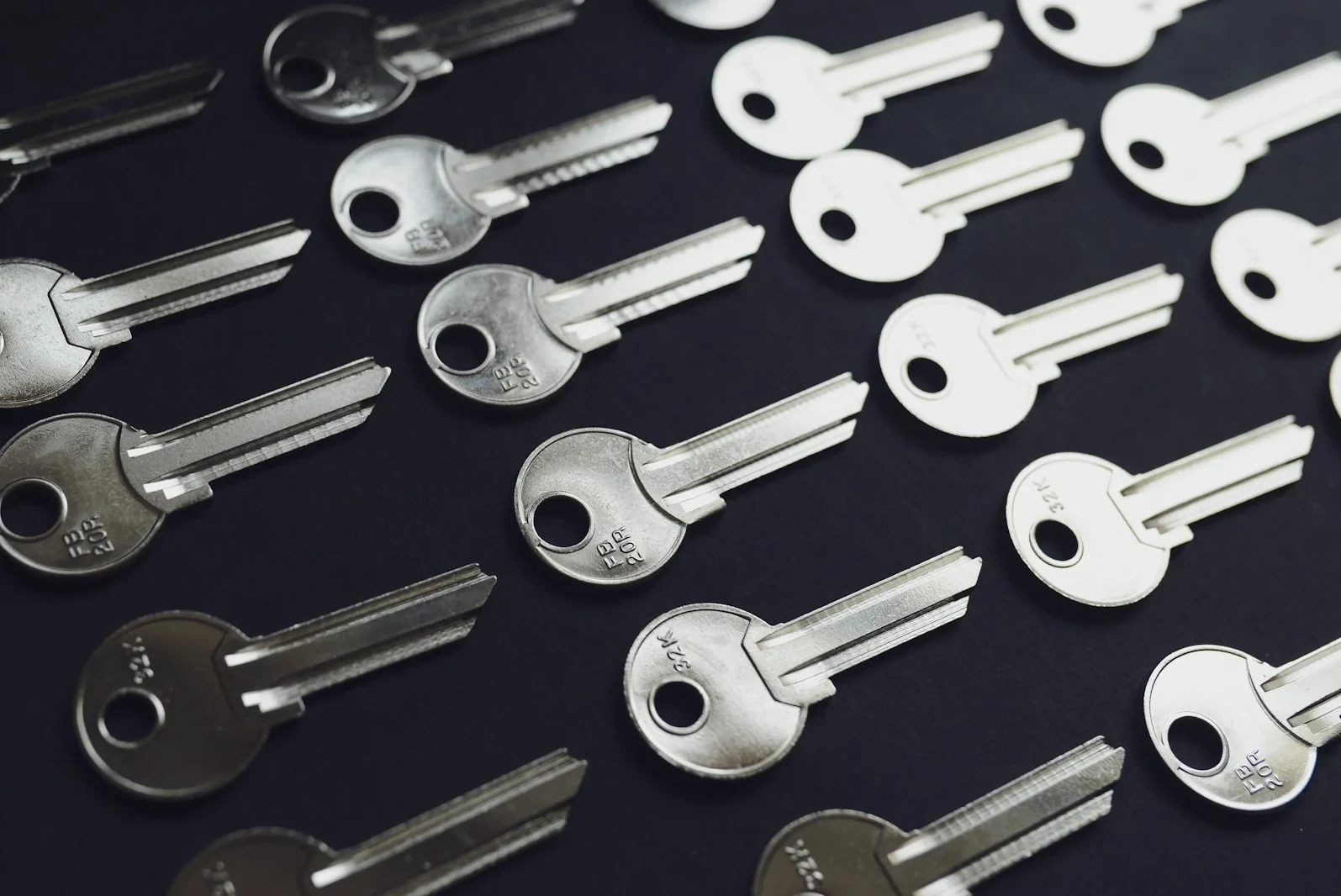
- The type of lock: a knob lock, a deadbolt, a smart lock, a keypad, or a handle set with a thumb latch.
- Whether the door is wood, metal, fiberglass, or glass, and whether it has a storm door in front of it.
- Whether the lock is a brand you can name, and whether it has a keyhole you can see or a keypad.
- Whether the door is swollen, sagging, or hard to close, which tells the locksmith the frame may be part of the problem.
If you rent, call your landlord or property manager before a locksmith. Many leases require it, and your landlord may have a key or a maintenance contact who does.
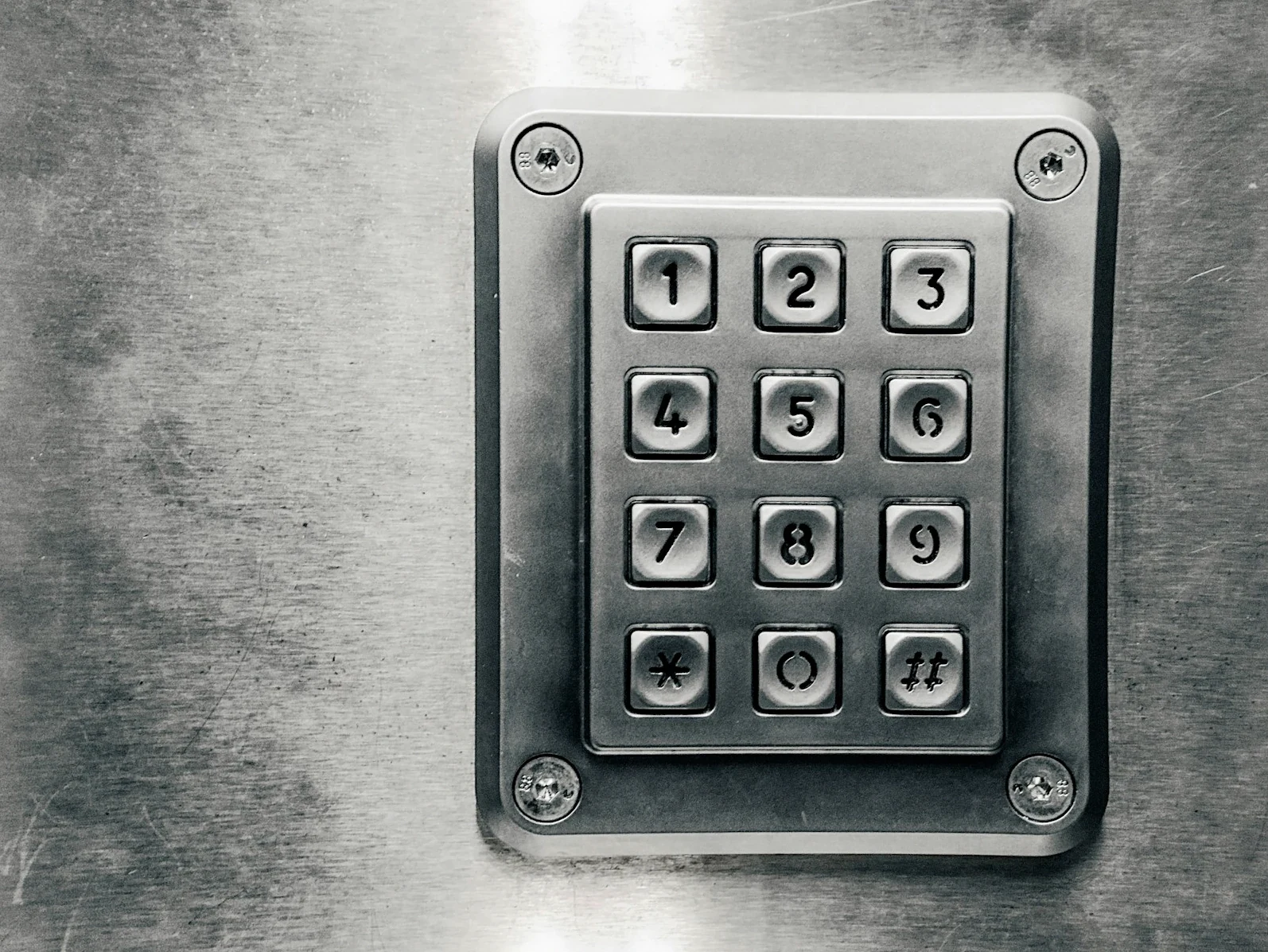
If you own the home and you are locked out of a door with a keypad or smart lock, check the battery and the keypad one more time. A dead battery on a keypad lock looks exactly like a lockout, and a fresh battery or a jump pack may get you in without anyone travelling.
What not to do while you wait
Do not break a window, kick in a door panel, or pry the frame. The repair almost always costs more than the lockout itself, and a broken window or a splintered jamb leaves your house open until it is fixed.
Other things to avoid:
- Do not try to pick the lock yourself with a paperclip, a bobby pin, or a small screwdriver. You can bend the pins, snap a tool off inside the cylinder, or scratch the finish, and a damaged cylinder is a bigger job than an open door.
- Do not drill the lock. Once a cylinder is drilled it has to be replaced, and a locksmith may have been able to open it without that.
- Do not remove the hinge pins on an outward-swinging door. On most doors the pins are on the inside, and on the ones that are not, the door still will not come free because of the latch.
- Do not leave a window or a back door open as a way back in. If you get in through a window, close and lock it behind you.
- Do not hand your ID or your keys to anyone who offers to help unless you called them. If someone shows up unasked and offers to get you in, call the locksmith you chose and wait.
Have your ID ready. A locksmith will want to confirm you live there before opening the door, and that is normal. A utility bill, a piece of mail, or your lease with your name and the address on it all help.
How urgent is this, really?
Most lockouts are inconvenient, not dangerous. The urgency changes with who is inside, what is on the stove, and what the weather is doing.
- Now: a child, an elderly person, or a pet is inside alone; something is on the stove or a candle is burning; the house is getting cold enough to threaten pipes or a person; you are locked out of the only door and it is late at night in bad weather; or you are locked out with no coat, no phone, and no way to get to shelter.
- Soon: you have somewhere to wait, the weather is mild, and you have a phone. Use the time to call around for a key and to reach a locksmith.
- Watch: you have a spare key you can reach within the hour, or a neighbour with a key who will be home soon. Wait for that before you spend anything.
If anyone inside is in danger, call emergency services first. A locksmith opens doors; that is a different job from a medical or fire emergency.
How a locksmith gets you back in, and what changes the job
A locksmith opens the door by working the lock, not by damaging the door. The method depends on the lock, the door, and whether the door is the problem or the hardware is.
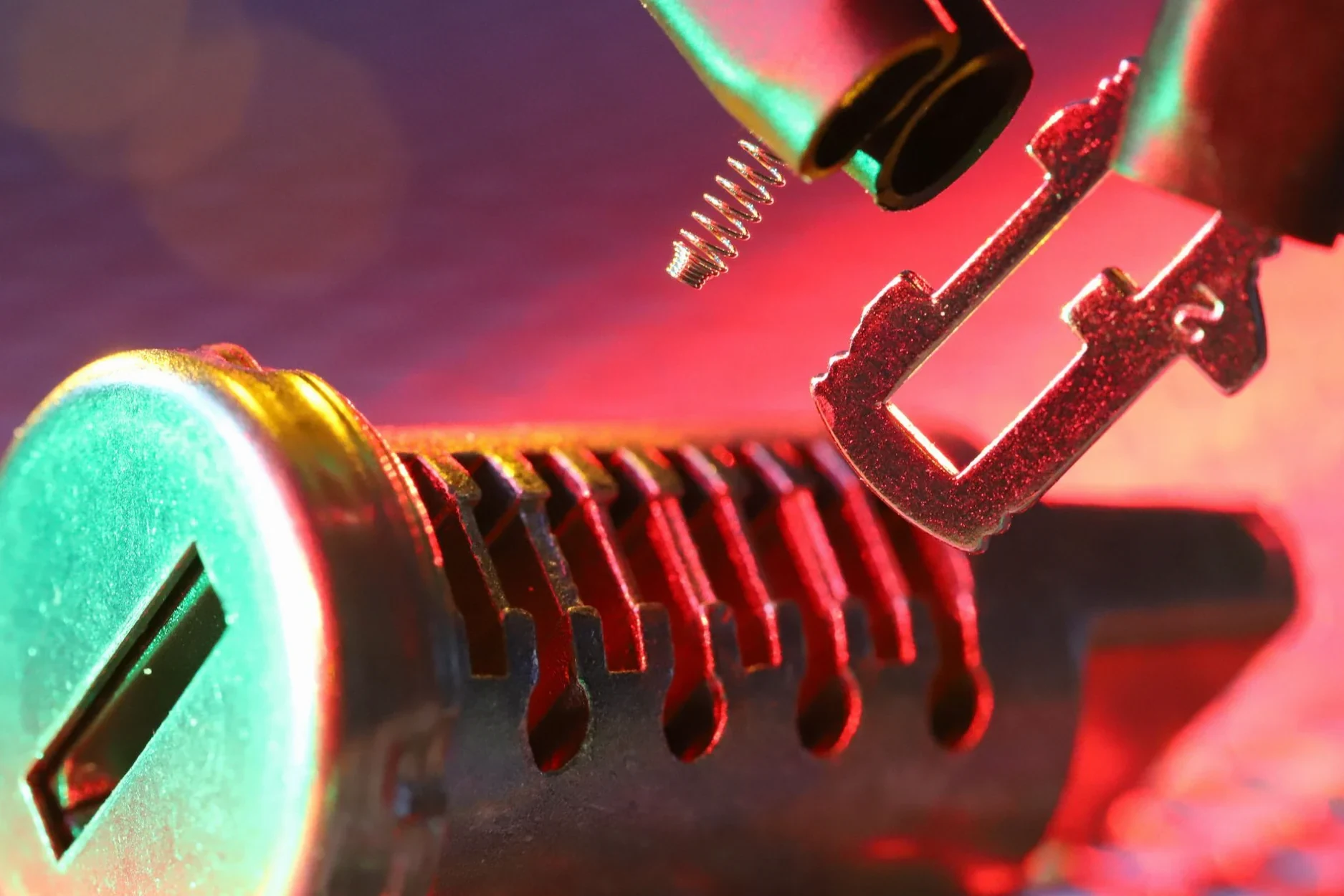
For a standard pin-tumbler knob lock or deadbolt, the usual approach is to pick or rake the cylinder, or to use a bypass tool that reaches the latch. For a lock that will not respond, a locksmith may use a key that is cut to the lock or a decoder to read the pin depths and cut a working key on the spot. On some doors, the fastest route is to remove the lock cylinder from the outside and trip the mechanism, then reinstall it.
What makes a job harder:
- High-security cylinders with restricted keyways and security pins, which resist picking and may need a different approach.
- Smart locks and keypad locks, where the electronics, the battery, and the app all have to be considered before the mechanical lock.
- A door that is swollen, sagging, or misaligned, where the latch is jammed in the strike plate rather than locked. The lock may already be open and the door still will not move.
- A deadbolt that is engaged and a door with no other opening, which limits the options.
- A storm door, a screen door, or a security gate in front of the entry door, which adds a layer to work around.
- A commercial-grade lock or a door with a panic bar, which is a different mechanism from a house lock.
What it costs depends on the lock, the time of day, the travel, and whether any hardware has to be replaced. There is no single number that covers every door, so ask for the price before anyone travels to you, and ask what happens to that price if the lock has to be replaced rather than opened. A quote given over the phone after you describe the door and the lock is the number to compare against the final bill.
How do I keep this from happening again?
Give a spare key to one person you trust who lives nearby, and put a second one somewhere only your household knows about. Two keys in two places solves most future lockouts.
A few other habits help:
- Keep a house key on the same ring as your car key, so leaving in one vehicle does not strand you.
- If you have a keypad or smart lock, change the battery on a schedule rather than when it dies, and keep a mechanical key as a backup for the electronic one.
- If a door starts to stick, drag, or need a shoulder to close, fix it before it becomes the door you cannot open. A misaligned strike plate is a lockout waiting to happen.
- Tell one neighbour which door you use and that you have a spare key, without telling them where it is.
- If you rent, ask your landlord in writing where the spare key is kept and who else has one.
If you are locked out right now, call us and describe the door and the lock. We will tell you what the job involves and what to have ready before we arrive.
Need locksmith in Charlotte? Get a free estimate.
+19802012799