The chip is rarely the expensive part
A transponder key does not cost a fixed amount, and the chip inside it is usually not what moves the bill. The price depends on the vehicle, on whether you still have a working key to copy from, and on whether the new key has to be programmed to the car before it will start anything.
Most people assume the chip itself is the costly item, a small electronic part that a shop marks up hard. In practice the chip is a modest component. What you pay for is the key blank cut to your vehicle's pattern, the programming step that pairs the chip to your car's immobilizer, and the time and equipment that programming takes.
- Two keys can cost very different amounts on the same car, because one is a copy and the other is an all-keys-lost job.
- A key that is cut and programmed at the same visit is one job. A key that arrives uncut and unprogrammed is two.
- Ask what the quote covers before you agree to anything: the blank, the cut, the programming, or all three.
Three things decide the number before any work starts
The total comes down to your vehicle, your existing keys, and the type of key your car uses. Those three decide how long the job takes and what equipment it needs, and both of those drive the price far more than the chip does.
The vehicle
Make, model and year set the key blank and the programming method. A car built with a simple chipped key is a different job from one that uses a smart key with push-button start, and the two do not share a price. Tell us the year, make and model when you call and the quote can be narrowed before anyone touches the car.
Whether you have a working key
One working key makes the job a copy: we read the existing key, cut a new blank to match, and program the new chip to the vehicle. No working key makes it an all-keys-lost job, and that is a longer process because the vehicle has to be approached without a known-good key to read from. The same car can sit at two very different totals depending on which of those you are facing.
The key type
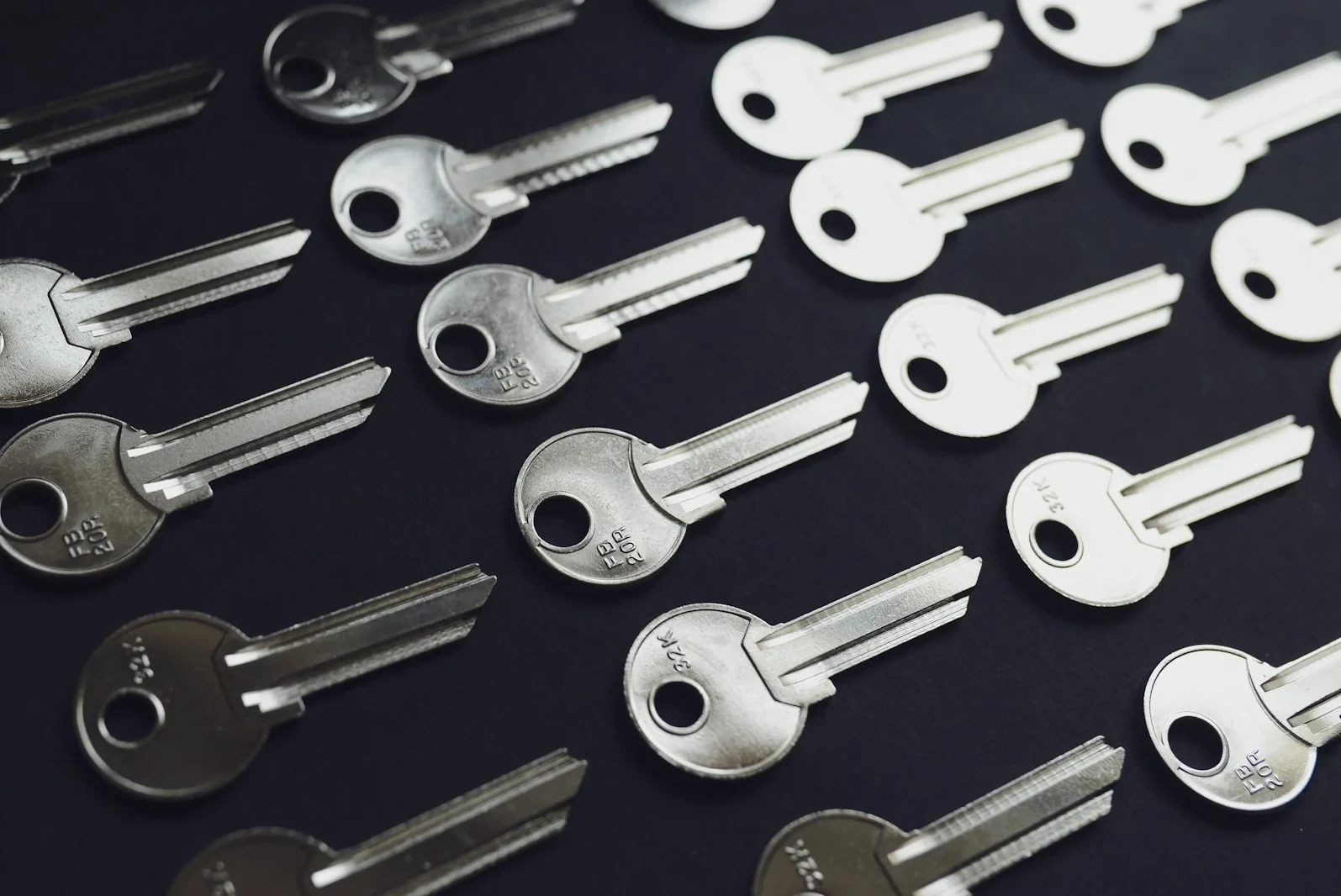
A basic transponder key with a physical blade is the simplest. A flip key, a key with remote buttons built in, or a smart key fob adds parts and adds programming steps. Each of those is a different piece of hardware, and the hardware is part of what you pay for.
What a quote should cover
A complete quote names four things: the key blank, the cutting, the programming, and whether the old key will still work afterward. If any of those is missing from the number you were given, the number is not finished.
Ask directly. Does the price include the blank, or is that separate? Is the cut included? Is programming included, and is it done at your location or does the car need to go somewhere? Will the keys you already have keep working, or does programming a new key wipe them?
Two quotes for the same car are only comparable when both of them list the blank, the cut and the programming.
That last question matters more than people expect. On some vehicles, adding a key is a straightforward addition. On others, the programming process is tied to the full set, and a key you were counting on can stop working. Ask before the work starts so there are no surprises after.
Why the same job costs different amounts at different places
Two factors explain most of the gap: what equipment the shop has on hand for your specific vehicle, and how much of the job is done at your car versus in a workshop. A shop that can program your vehicle on site is doing one visit. A shop that cannot is doing two, and the second one involves moving the car.
There is also the question of where the key hardware comes from. A key blank sourced for your specific vehicle is not the same item as a generic blank that happens to fit the blade. Ask what blank is being used and whether it is made for your model. The answer tells you a lot about how the job will go.
None of this is a reason to distrust a low number or a high one. It is a reason to ask what is inside the number. When you call, have the year, make and model ready, say whether you have a working key, and say what the key looks like: plain chipped key, flip key, remote key, or smart fob. With those three answers, a quote can be given that means something.
What to have ready before you call
Have the vehicle's year, make and model, the number of keys you currently hold, and a photo of the key you have. Those three items let the job be priced without guesswork, and they take about a minute to gather.
- Year, make and model of the vehicle, from the registration or the door jamb sticker.
- How many keys you have right now, and whether any of them still start the car.
- What the key looks like: plain blade with a chip, flip key, key with remote buttons, or a smart fob with no blade.
- Whether the car is at your home, at a lot, or somewhere it cannot easily be moved.
If you have no working key at all, say so at the start of the call. That single detail changes the job from a copy to an all-keys-lost process, and it changes what has to be brought to the vehicle.
Replacing a transponder key in Charlotte means calling with those details and getting a number that names the blank, the cut and the programming. If a quote you receive does not name all three, ask for one that does before you commit.
Need locksmith in Charlotte? Get a free estimate.
+19802012799