A direct answer to the cost question
Rekeying a house costs $20 to $50 per lock in labor, plus $5 to $15 per key, and most homes have three to five exterior locks. That works out to roughly $60 to $250 for a typical house, though the exact number depends on the lock count, the lock type, and how many keys you need.
That figure comes from the source material supplied for this article. It is a useful starting point, not a quote. A locksmith needs to see the locks before giving a firm number, because a standard knob cylinder and a high-security deadbolt do not take the same work.
Rekeying changes the pins inside a lock so old keys stop working. It does not change the lock itself.
What rekeying involves
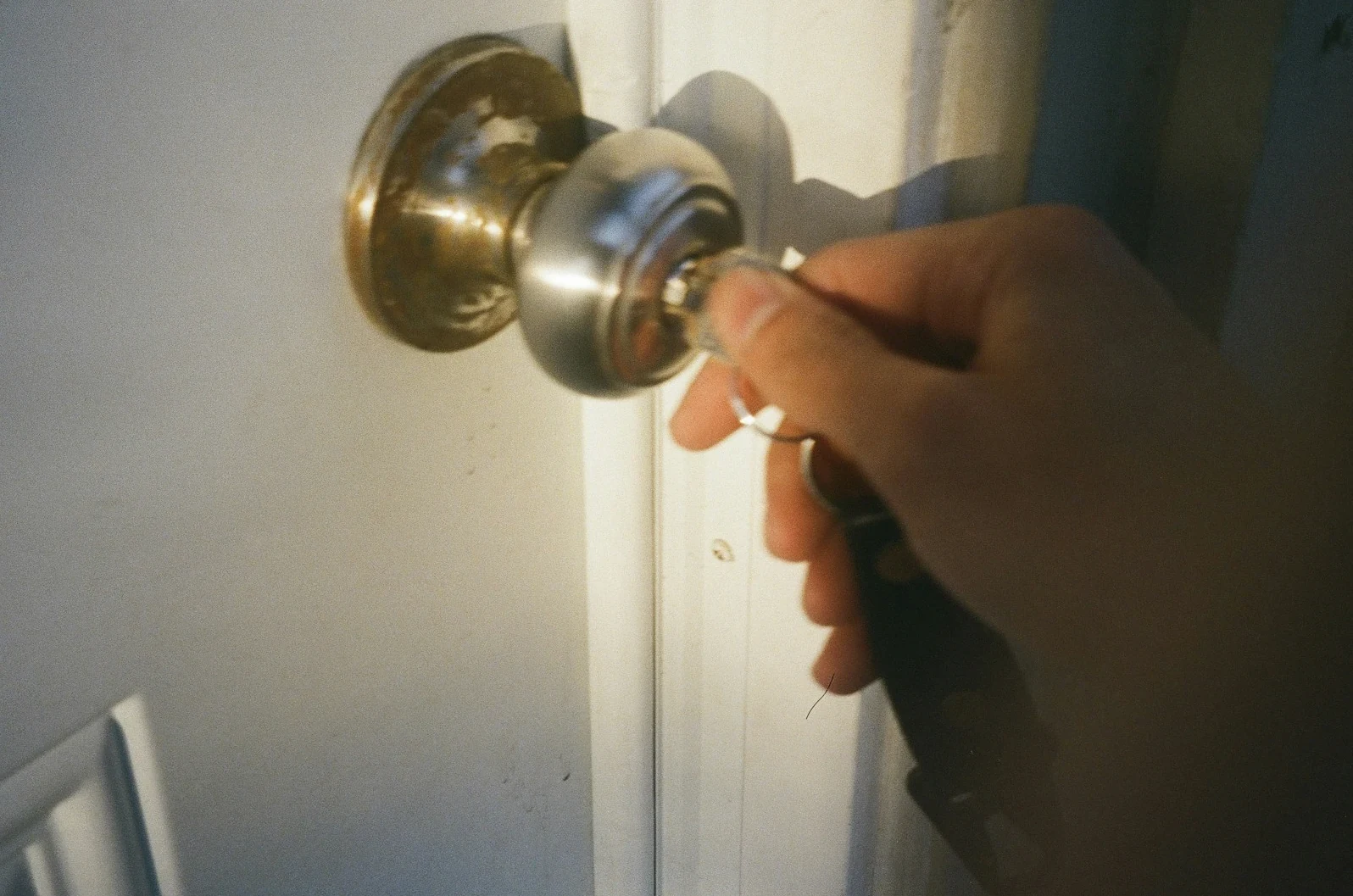
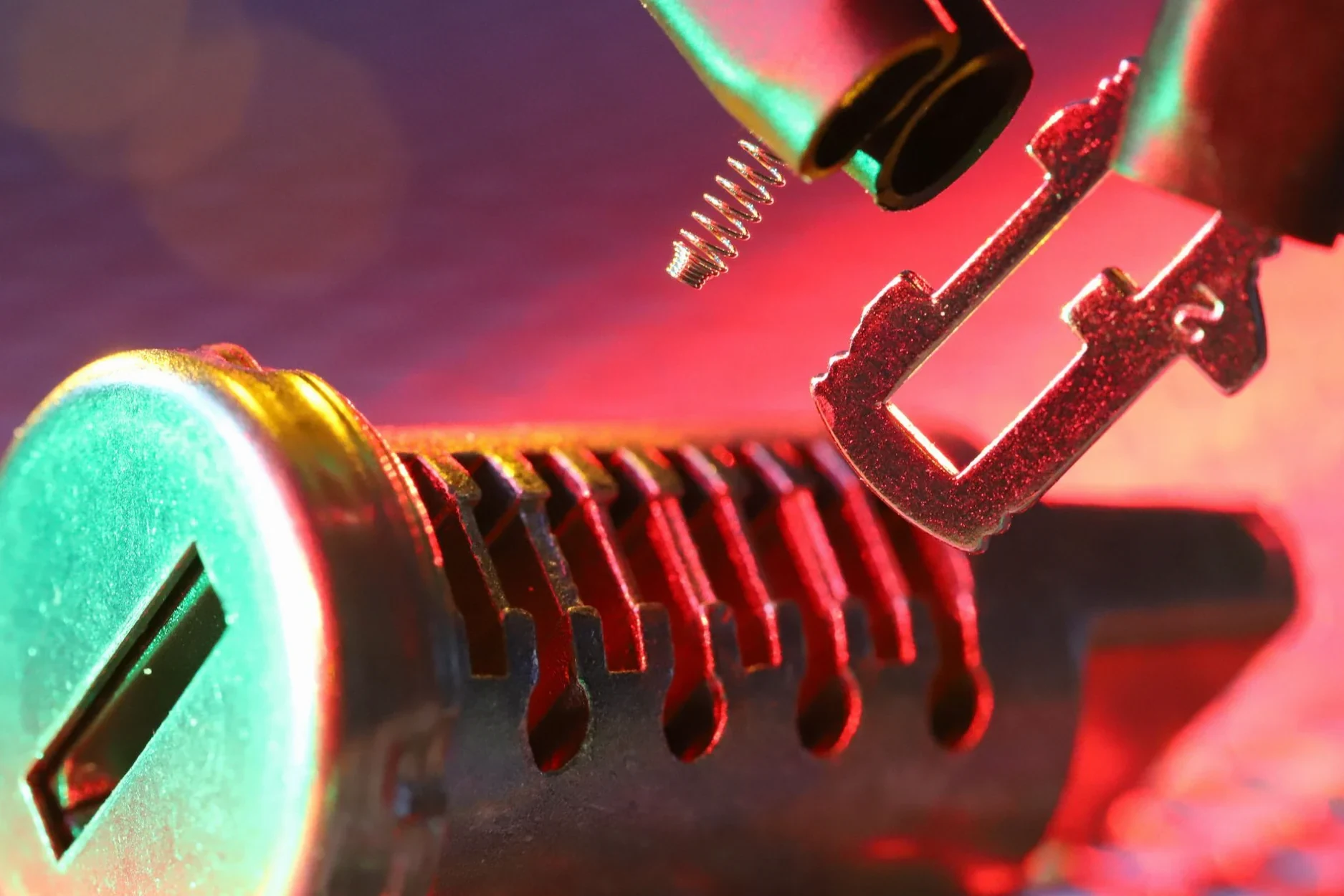
Rekeying means removing the existing pins from a lock cylinder and installing new pins cut to match a new key. The lock body, the deadbolt, the strike plate, and the door hardware all stay in place. Only the internal pin stack changes.
This is why rekeying costs less than replacing locks. A new deadbolt costs more than the labor to rekey one, and rekeying keeps the finish and fit of hardware that already matches your doors. The work itself is short: a single cylinder takes a few minutes once the lock is off the door. The time adds up when there are several locks, when the locks are old or painted over, or when the cylinders are not standard.
We rekey locks on houses across Charlotte. The job is the same whether the house is a 1950s ranch in Plaza Midwood or a new build in Ballantyne, but the locks are not. Older homes often have original knobs with worn cylinders. Newer homes tend to have builder-grade deadbolts that rekey quickly.
What moves the price
The two biggest drivers are the number of locks and the type of locks. More cylinders means more labor and more pins, so the price rises with each one. A house with one entry door and a back door costs less than a house with a front door, a back door, a side door, and a garage entry.
Lock type matters just as much. A standard residential cylinder is straightforward. A high-security lock, a smart lock with an electronic cylinder, or a lock with a restricted keyway takes different tools and different pins, and that shows up in the price. Some smart locks cannot be rekeyed at all and need a replacement cylinder instead.
Key count is the third driver. You pay per key, and most households want a few. If you want every exterior door on one key, that is a keying decision the locksmith makes while the cylinders are open, and it does not add much to the labor. If you want separate keys for a rental unit or a storage building, that is more keys and more work.
Condition is the fourth. A lock that has been painted shut, a cylinder that is corroded, or a deadbolt that no longer lines up with its strike plate all take longer. In those cases the locksmith may recommend replacing the lock instead of rekeying it, and that changes the number.
How the work is done
A rekey visit follows a set order, and knowing it helps you plan the appointment.
- Count and identify every exterior lock. We note the brand, the type, and whether each cylinder can be rekeyed.
- Remove each cylinder from the door. Some locks come apart on the door; others need to be taken off.
- Remove the existing pins and springs from the cylinder.
- Install new pins cut to the new key.
- Reassemble the cylinder and test it with the new key.
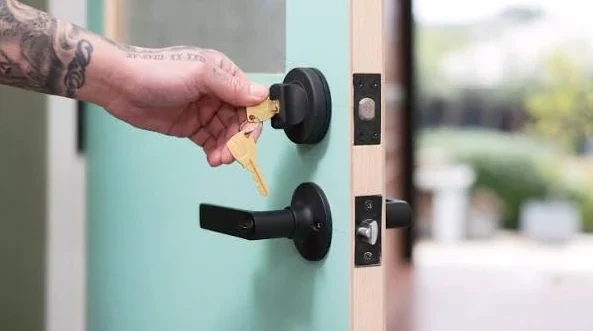
- Reinstall the cylinder and check that the lock turns smoothly and the door latches.
- Cut the new keys and confirm each one works in every lock you wanted on that key.
The whole visit for a typical house takes under an hour, but that is a general description, not a promise about your house. A single stubborn lock can take longer than expected.
When rekeying makes sense and when it does not
Rekeying makes sense when the locks themselves are in good shape and you only need the old keys to stop working. That covers a move into a new home, a roommate moving out, a lost key, or a contractor who had a key and no longer needs one.
Replacement makes sense when the lock is failing. If the cylinder is loose, the key sticks, the deadbolt does not throw fully, or the hardware is a grade that offers little resistance, rekeying a worn lock is money spent on a part that is already near the end of its life. In that case a new lock is the better use of the visit.
There is also a middle case: a lock that works but is not the one you want. If you are changing the finish, adding a smart lock, or upgrading to a keypad, that is a replacement, not a rekey.
What to ask before you book the work
Ask how the price is calculated. A per-lock labor rate plus a per-key rate is the clearest structure, and it lets you compare one quote to another without guessing. Ask whether the quote includes removing and reinstalling the locks, cutting the new keys, and a test of every lock on the new key.
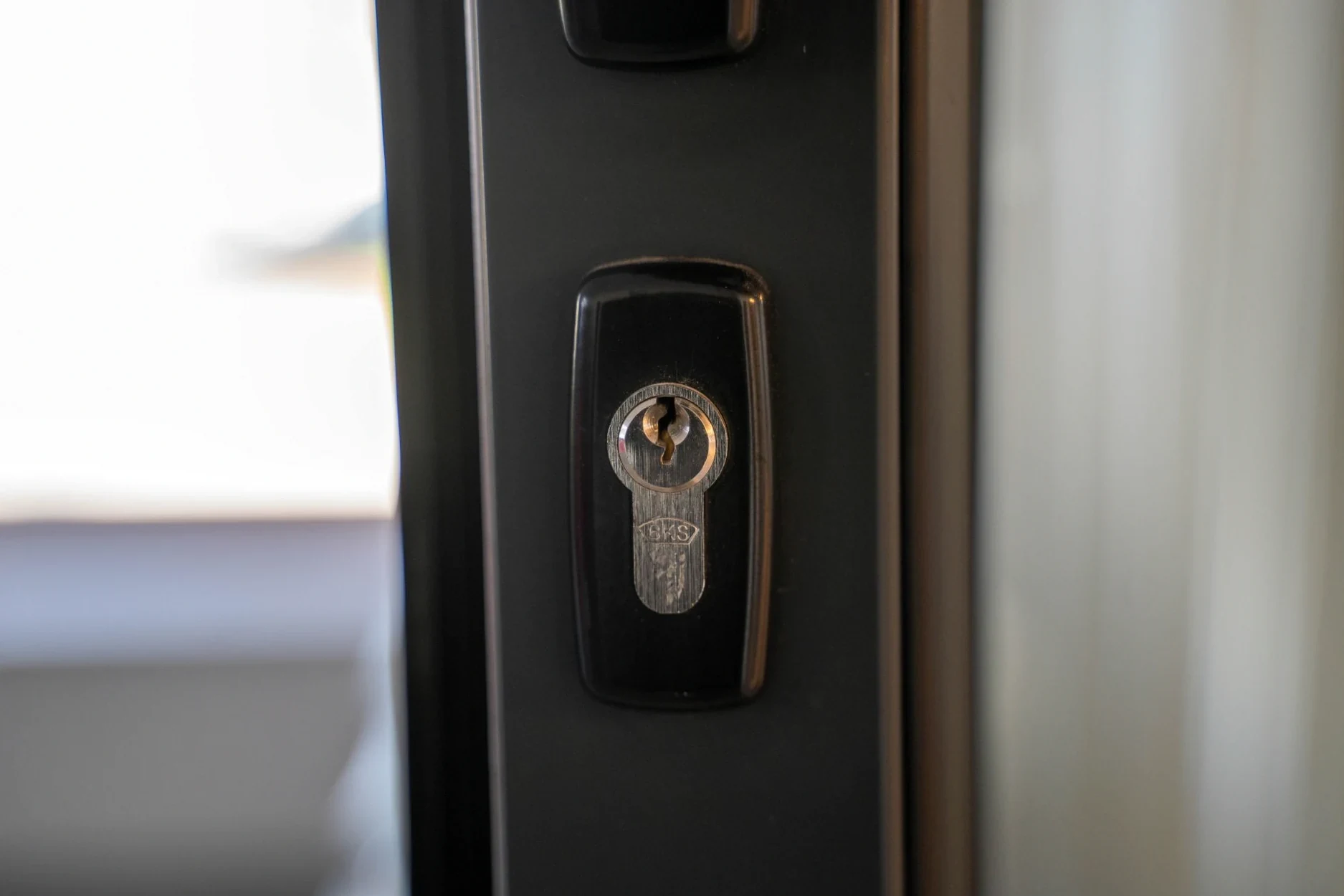
Ask whether any of your locks cannot be rekeyed. Smart locks, some high-security cylinders, and a few older designs fall into that group, and it is better to know before the visit than during it. If you can, send a photo of each exterior lock when you call. The brand name on the face of the cylinder and the shape of the keyway tell a locksmith a lot about what the job involves.
Ask what happens if a lock turns out to be too worn to rekey. A good answer is a clear choice: rekey it anyway, or replace the cylinder while the locksmith is already on site. Ask which option costs what before any work starts.
Ask how many keys are included and what extra keys cost. If you want every door on one key, say so at the start. If you want a key for a neighbor, a cleaner, or a rental unit, say that too, because it changes the key count and sometimes the pinning.
A short checklist before the locksmith arrives
- Count every exterior door and note which ones you want rekeyed.
- Decide whether all exterior doors should work on one key or on separate keys.
- Decide how many keys you need and who gets one.
- Check each lock: does the key turn smoothly, does the deadbolt throw fully, is the hardware loose?
- Note the brand on each lock if you can see it.
- Clear the area around each door so the locksmith can work without moving furniture or rugs.
- Have a photo of each lock ready if you are asking for a quote over the phone.
When you are ready to book the work, call us at (704) 555-0123. Tell us how many locks you have, what type they are, and how many keys you want. We will explain what the job involves for your doors and what the price depends on, and we will give you a firm number once we know what is on the door.
Need locksmith in Charlotte? Get a free estimate.
+19802012799